
























Lake LBJ Boat Slips: Is Marina Storage Right for You?
Lake LBJ - This blog was presented to you by - Lake LBJ Yacht Club & Marina
Lake LBJ Boat Slips: When Does Marina Storage Make Sense?
Owning a boat is supposed to make it easier to enjoy the water. Yet for many boat owners, a large part of every outing happens nowhere near the lake.
There is the trailer to prepare, the drive to the ramp, launching, parking, retrieving the boat and transporting everything home again.
For occasional boaters, that routine may be completely reasonable. For people who repeatedly use the same lake, keeping the boat at a marina can change the experience considerably.
If Lake LBJ is where you spend most of your boating time, the question isn't simply whether a slip costs more than keeping the boat at home. The better question is whether marina storage would make the boat easier to use often enough to justify the expense.
Start With How Often You Actually Boat
Frequency is one of the most important considerations.
If your boat goes onto the water only a few times each year, trailering may give you all the flexibility you need without adding the ongoing cost of a marina slip.
The calculation changes when you're boating frequently.
Repeatedly preparing, towing, launching and retrieving a boat consumes time. The more often you do it, the more significant that time becomes.
Consider how many Lake LBJ trips you made during the last boating season.
Then ask yourself how many additional trips you might have made if the boat had already been waiting at the lake.
That answer can tell you more than comparing storage prices alone.
Marina Storage Changes the Beginning of the Day
When a boat is stored away from the lake, the boating day begins long before you reach the water.
When it's kept at a marina, the routine is different.
You drive to the marina, prepare the vessel and get underway.
There are still responsibilities. The boat needs to be inspected and maintained, supplies need to be loaded and weather conditions need to be checked.
But one major part of the process—transporting and launching the boat—is removed from every outing.
For frequent boaters, that's often the main attraction.
Short Boating Trips Become More Realistic
Marina storage isn't only about making full-day outings easier.
It can make shorter trips worthwhile.
Suppose you unexpectedly have a free evening or a few open hours on Saturday morning.
If getting onto Lake LBJ requires preparing a trailer, towing the boat and dealing with the launch process, you might decide there isn't enough time.
If the boat is already at the marina, those same few hours can become usable boating time.
That can change how the boat fits into your life.
Instead of needing to plan every outing well in advance, boating can become something you do whenever your schedule and conditions allow.
Less Time Dealing With Boat Ramps
Launching and retrieving a boat is a normal part of trailer boating.
During busy periods, however, ramps can also become one of the more time-consuming parts of the day.
Keeping your boat at a marina removes the need to use a launch ramp every time you want to go boating.
That can be particularly appealing during popular weekends and holidays when many other boaters are trying to get onto or off the lake at similar times.
You still need to account for lake traffic and busy conditions, but one recurring logistical step disappears.
Lake LBJ Makes Location Especially Important
If you're considering marina storage, make sure you actually want your boat on that particular lake.
Lake LBJ is part of the Highland Lakes region in Central Texas and provides recreational boating around communities including Horseshoe Bay.
For owners who repeatedly return to this area, keeping a boat directly on Lake LBJ can make sense because it removes the need to transport the vessel to the same destination again and again.
Owners comparing boat slip rentals on Lake LBJ can review current options through Lake LBJ Yacht Club & Marina in Horseshoe Bay.
Slip availability, dimensions, utilities, rates and agreement terms should be confirmed directly with the marina before making a decision.
Make Sure the Slip Fits Your Boat
An available slip isn't necessarily an appropriate slip.
Before discussing pricing, provide accurate information about your vessel.
Depending on the boat and facility, compatibility may involve factors such as:
Overall length
Beam
Draft
Propulsion configuration
Height or clearance requirements
Other vessel-specific considerations
Ask the marina which available options are appropriate for your boat.
Don't choose a slip based solely on an advertised size or photograph.
A proper fit should be established before entering into an agreement.
Ask Exactly What the Slip Includes
Marina rates aren't always directly comparable.
One facility may include services or utilities that another treats separately.
Before evaluating the cost, ask about:
Tenant access
Parking
Utilities
Guest policies
Additional marina fees
Deposits
Contract duration
Renewal procedures
Waste-related services
Severe-weather procedures
If a particular utility or amenity is important to you, confirm it specifically.
Don't assume it's included because you've seen it offered at another marina.
Consider Access Hours
When can you reach your boat?
This question is particularly important if one reason you're considering a slip is greater flexibility.
Early-morning fishing trips, evening cruises and spontaneous outings become less convenient if the facility's access rules conflict with your schedule.
Ask how tenant access works, including gates, parking and any after-hours procedures.
Lake LBJ Yacht Club & Marina states that slip tenants have 24-hour access to their boats, but boat owners should still confirm current access procedures and marina policies before signing an agreement.
Don't Ignore Parking
Parking isn't the most exciting marina feature, but it becomes important when you use the facility regularly.
Consider how easy it is to get from your vehicle to your boat and whether the parking arrangement works when family members or guests join you.
Ask whether parking is included, whether there are restrictions and what you should expect during busy periods.
A slip can be conveniently located on the lake while still being inconvenient if getting from your vehicle to the dock is unnecessarily difficult.
Compare the Total Cost of Your Current Routine
A marina slip is an additional expense, but keeping a boat elsewhere isn't necessarily free.
Depending on your circumstances, your current routine may include costs associated with:
Off-site boat storage
Trailer maintenance
Towing fuel
Vehicle wear
Launch-related expenses
Additional travel time
Marina storage won't automatically be less expensive.
The point is to compare the full cost and effort of both arrangements.
For some owners, trailer storage will clearly remain the better value. For others, the convenience of keeping the boat at Lake LBJ may justify the additional expense.
Remember That a Marina Doesn't Replace Maintenance
Keeping your boat at a marina doesn't transfer responsibility for the vessel to someone else.
The boat still requires appropriate inspection, maintenance and care.
Follow manufacturer recommendations for the vessel and engine, and consider how the specific storage environment affects maintenance needs.
Boat owners should also understand their responsibilities during severe weather, unusual lake conditions and extended periods when the boat isn't being used.
Ask the marina what it provides, but don't assume services that aren't specifically included.
Marina Storage Reduces Flexibility
There is one significant advantage to a trailer that shouldn't be overlooked: mobility.
When your boat is stored on a trailer, you can take it to Lake LBJ one weekend and a completely different lake the next.
Keeping the boat in a slip naturally encourages you to use that lake more frequently.
For someone who enjoys exploring different destinations, that can be a disadvantage.
For someone who already spends most boating days on Lake LBJ, it may not matter at all.
Your boating habits should determine which tradeoff makes more sense.
Who Is a Good Candidate for a Marina Slip?
Marina storage may be worth considering if you:
Boat on Lake LBJ frequently
Want to reduce towing
Dislike repeated launching and retrieval
Want shorter outings to become practical
Have limited storage at home
Regularly spend time around Horseshoe Bay
Prefer having the boat close to where you use it
Trailering may remain preferable if you use the boat infrequently or regularly visit different lakes.
Neither option is automatically better.
Think About Time as Well as Money
Boat owners naturally compare storage costs, but time has value too.
If each outing requires significant preparation before and after the actual boating, that time becomes part of the cost of using the vessel.
A marina slip may not save money on paper.
It may instead buy convenience.
For some owners, that convenience means getting onto Lake LBJ more frequently and making better use of a boat they've already invested in.
The Best Storage Option Is the One That Gets You Boating
There isn't one correct answer for every Lake LBJ boat owner.
If you value the flexibility of visiting different lakes and don't mind launching, keeping the boat on a trailer may be ideal.
If Lake LBJ is already your primary destination and the repeated transportation process is limiting how often you use your boat, marina storage deserves serious consideration.
Ultimately, a boat shouldn't spend most of its life waiting for the day when launching it feels worth the effort.
The right storage arrangement is the one that makes it easier for you to use the boat the way you intended when you bought it.
GFCI Outlet Keeps Tripping? A San Antonio Homeowner Guide
This blog was provided by Good Electric
Why Your GFCI Outlet Keeps Tripping in Your San Antonio Home
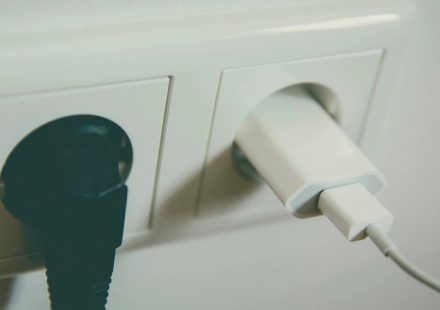
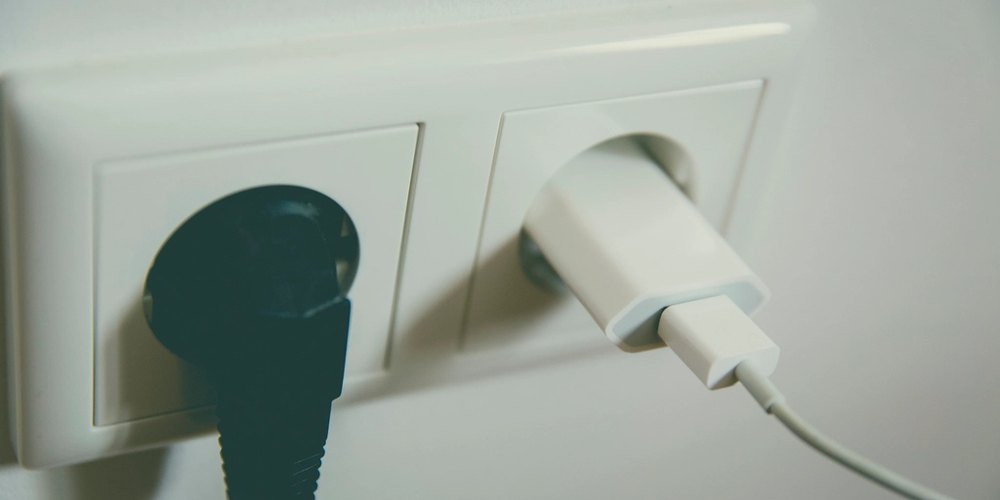
The TEST and RESET buttons on a GFCI outlet are there for a reason. A ground-fault circuit interrupter is designed to interrupt power when it detects an imbalance that can indicate current leaving its intended path.
That protection helps reduce shock risk. When the device repeatedly trips, the goal should be to understand the condition that triggered it, rather than finding a way to keep the power on.
Notice the Circumstances of the Trip
Does the interruption occur when a particular appliance is used? Does it happen after rain? Have several outlets stopped working at the same time?
Those observations are useful, but none proves the cause on its own. The problem may involve connected equipment, moisture, the circuit, or the protective device.
Avoid repeatedly recreating the trip. Record what already happened and keep suspect equipment out of use.
Water Calls for Extra Caution
If water is present around outlets, cords, or appliances, stay away. Do not operate a GFCI with wet hands or while standing on a wet surface.
Equipment exposed to water may need professional evaluation before it is used again, even after it appears dry.
Homeowners seeking GFCI troubleshooting in San Antonio should mention leaks, recent rain, irrigation exposure, or cleaning that may have reached electrical equipment. Describe the exposure without approaching it.
One Device Can Affect Other Outlets
Depending on the installation, a GFCI may protect additional outlets farther along the circuit. Losing power in several places does not necessarily mean several receptacles failed independently.
Tell the electrician which locations are affected and which device appears to have tripped. If a label or circuit description is already visible, include that information.
Do not remove the outlet to trace wires. The electrician can determine how protection is arranged.
Follow the Device’s Instructions
Testing and resetting should follow the manufacturer’s instructions. If an accessible device is dry and undamaged and there are no hazard signs, its instructions may help you understand normal operation.
If it will not reset, fails a test, or immediately trips again, arrange an evaluation. Do not assume replacement is the only possible repair; lack of incoming power or another circuit problem may also be involved.
You can find business background through Good Electric’s residential information site before scheduling your visit.
Never Bypass the Protection
Moving equipment to an unprotected supply to avoid trips does not resolve the condition. Neither does defeating the device or making an improvised alteration.
A GFCI is also not permission to use damaged equipment or operate electrical products near water contrary to their instructions. It is a protective measure, not a guarantee against every electrical hazard.
Leave installation and wiring changes to a qualified professional.
Give the Electrician a Useful History
Prepare a few details:
- Which outlet or device trips.
- What equipment was connected.
- Whether other outlets also lost power.
- Whether the event followed rain or a leak.
- Whether the device resets and stays reset.
- Whether the issue began after a change to the installation.
This Good Electric homeowner reference can be kept with your notes and questions. Accurate observations about your own system will be central to the diagnosis.
Make Recurring Trips a Reason to Call
Repeated GFCI trips can interrupt ordinary routines, but avoiding that interruption should not come at the expense of protection.
Contact Good Electric to discuss the pattern and arrange an evaluation. If smoke, fire, active arcing, or immediate danger accompanies the interruption, move away and contact emergency services first.